Reviewing Watercolor-cat-sublimation-clipart- for Real Embroidery
As someone who has spent years turning digital files into tangible, stitched treasures, I approach every new embroidery file with a mix of excitement and skepticism. The market is flooded with Graphics that look beautiful on a screen but fall apart under the needle. Today, I am putting the Watercolor-cat-sublimation-clipart- through its paces to see if it truly belongs in a professional workflow or if it should stay as a simple desktop wallpaper.
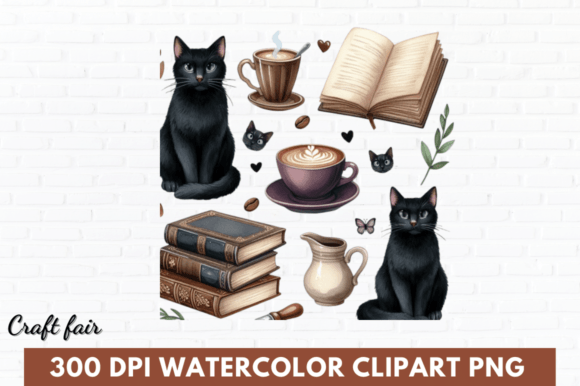
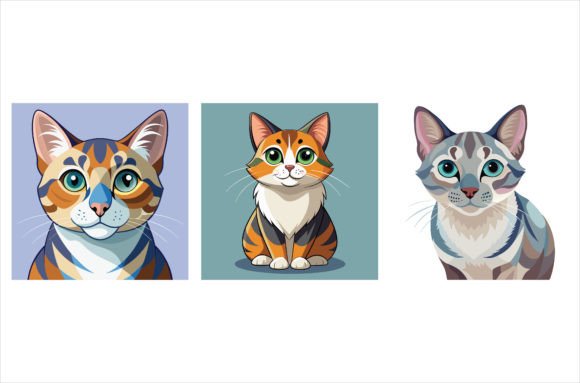
The moment you open the package containing this machine embroidery design, the first thing you notice is the mood. It isn't just a cat; it carries a soft, artistic personality that screams "handmade." This Graphic Templates entry offers three distinct designs, which immediately suggests versatility. However, before we talk about the final product, we have to talk about the reality of stitching watercolor aesthetics. The challenge here is translating those fluid, bleeding edges into solid stitches without losing the charm.
From Screen to Stitch: A Real Project Scenario
Let me walk you through a specific scenario where I tested this design. I was preparing a custom order for a boutique client who wanted a line of nursery-themed aprons for baby showers. She needed something whimsical but not cartoonish. The Watercolor-cat-sublimation-clipart- seemed like the perfect candidate. My goal was to create a personalized gift that felt high-end enough to justify a premium price point.
I started by importing the file into my digitizing software. The inclusion of eps svg dxf files alongside the standard formats was a relief. It meant I could easily resize the artwork to fit a 4x4 hoop without pixelating the vector outlines. But resizing is only half the battle. When I placed the design on a mockup of a cotton canvas apron, the distressed effect caught my eye. In the digital preview, it looked edgy and modern. Under the machine, however, that same effect required careful consideration regarding stitch density.
If you are an Etsy seller or a small shop owner, you know that customer trust hinges on consistency. A design that looks great in a printable mockup can disappoint if the stitching is too dense or the thread colors clash with the fabric texture. With this embroidery project, I found that the watercolor style works best when the satin stitch is used sparingly on the outline, allowing the fill stitches to mimic the softness of paint rather than the rigidity of traditional block lettering.
Where This Design Shines
This embroidery design is not a one-size-fits-all solution. It thrives in specific environments where its artistic nature can be highlighted. For instance, on a light-colored sweatshirt or a white tote bag, the contrast allows the details to pop. The solid color distressed effect adds a layer of depth that makes the finished product feel less mass-produced.
- Baby Embroidery: The soft theme fits perfectly on onesies or baby blankets. Parents love items that look delicate yet durable.
- Holiday Gifts: Imagine a holiday pillow cover featuring this cat. It adds a cozy, festive touch that generic clipart cannot achieve.
- Commercial Embroidery: For businesses looking to brand merchandise, this design elevates the perceived value of the item. It signals attention to detail.
- Applique Design: If you plan to use this as an applique base, the clean lines provided in the digital embroidery file make cutting the fabric shapes much easier.
When I stitched this onto a tea towel for a craft fair display, the reaction from visitors was immediate. They didn't see "clipart"; they saw a piece of art. That shift in perception is crucial for creative entrepreneurs who want to stand out in a crowded marketplace. The design invites customers to imagine it on their own products, whether it's a cap, a patch, or a kitchen towel.
Navigating the Challenges of Textured Fabrics
However, no review would be complete without addressing where this design might struggle. The Watercolor-cat-sublimation-clipart- relies heavily on smooth transitions and subtle gradients, which are notoriously difficult to replicate with thread. On textured fabrics like heavy denim or chunky knits, the fine details of the watercolor effect can get lost in the weave.
I also tested this on stretchy fabric, such as a jersey t-shirt. While the design itself is resizable, the tension required to hold the shape can sometimes distort the softer curves of the watercolor style. If you are working on curved surfaces like caps, you must be extremely careful with the hoop size. A large design might wrap too tightly around the curve, causing the center to pucker.
Another critical factor is the background color. The description mentions a "Solid Color Distressed Effect," which implies it is optimized for lighter backgrounds. Trying to stitch this on dark fabric without extensive underlay work can result in a muddy appearance. The thread colors need to be chosen with precision to ensure they don't blend into the fabric. Always test your thread colors against the actual material you intend to use before committing to a full production run.
Practical Notes for the Designer
Before you download and start stitching, there are several steps you must take to ensure success. First, always test the design on scrap fabric. This is non-negotiable. You need to check how the running stitch interacts with the fill areas and if the satin stitch holds up under pressure. Check the stitch density to ensure it isn't so thick that it warps the fabric or so thin that it leaves gaps.
Confirm the hoop size requirements for each of the three designs included. Some may be too large for a standard 4x5 hoop, requiring a larger frame. Inspect small details closely; what looks good on a monitor might be too tiny to stitch clearly on a small patch. Use proper stabilizer to support the fabric during the process, especially since watercolor styles often require multiple passes or complex layering.
Furthermore, verify the licensing terms. Are you allowed to sell finished items? Can you use these design assets for commercial projects? These questions are vital for anyone running a craft business or selling on platforms like Etsy. Do not assume that because a file is easy to resize, it comes with unlimited commercial rights. Read the fine print regarding custom apparel and personalized gifts to avoid legal issues down the line.
Final Verdict on Visual Appeal and Value
Ultimately, the Watercolor-cat-sublimation-clipart- brings a unique aesthetic to the world of embroidery. It bridges the gap between digital art and textile craft in a way that feels fresh and contemporary. For designers looking to expand their portfolio with graphics that offer more than just a basic logo, this is a strong contender.
The key to success lies in execution. If you treat this as a serious embroidery project—paying attention to fabric choice, thread selection, and stabilization—you will produce a finished product that commands respect. Customers appreciate the effort put into handmade items, and a well-executed watercolor cat design on a tote bag or apron is sure to become a favorite.
Just remember to manage expectations. It is not a quick fix for a rushed deadline. It requires patience and skill to translate those digital pixels into thread. But for those willing to put in the work, the result is a piece of art that feels personal, professional, and undeniably charming. Whether you are a hobbyist making a gift for a friend or a business owner scaling up your inventory, this design offers a versatile foundation for creating memorable, stitched experiences.