Real-World Review: Ramen Cat SVG for Embroidery Projects
As a designer who spends more time than I care to admit tweaking stitch density and testing thread colors, I have seen thousands of digital files. Most are forgettable or technically flawed when transferred to fabric. However, the Ramen Cat SVG caught my eye not just because of its cute theme, but because it feels like a design born from genuine creative intent rather than algorithmic generation. Before I decided to use this file in a commercial batch of tote bags, I needed to understand how it would translate from a vector screen into a tangible stitched piece.
First Impressions and Visual Personality
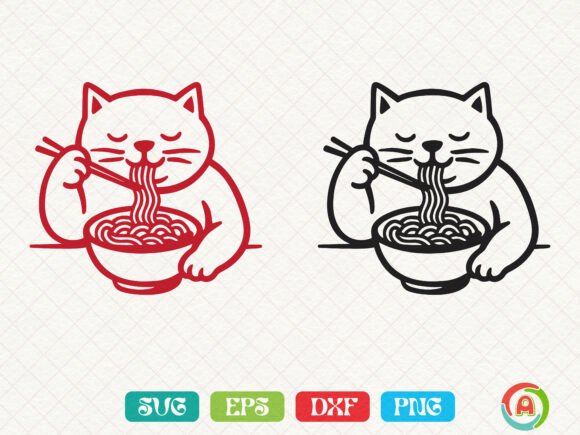
The moment you open the file, the Ramen Cat SVG exudes a specific mood that is hard to pin down but easy to recognize: cozy, playful, and undeniably inviting. It creates an immediate emotional connection with anyone who loves cats, food, or both. The layout is balanced, avoiding the cluttered look that often plagues busy designs. Instead, it offers a clear focal point—the cat enjoying its meal—that guides the eye naturally.
This visual personality suggests that the design belongs in spaces where comfort and warmth are paramount. It does not feel like a generic clip-art asset; it has character. For a crafter or small business owner, this character is gold. It transforms a standard product into something with a story. Whether you are making a gift for a friend or a boutique item for your Etsy shop, the Ramen Cat SVG carries a narrative that customers can latch onto immediately. It is the kind of design that makes people smile before they even touch the finished product.
Real-World Application: From Screen to Stitch
I put the Ramen Cat SVG through its paces by planning a custom embroidery project for a local craft fair. My goal was to create a line of aprons and kitchen towels featuring this design. The challenge with any embroidery file is predicting how the stitches will behave on different materials. In this case, the design's clean lines and moderate detail level made it a strong candidate for cotton canvas and heavy-duty linen.
When I imported the file into my digitizing software, the structure held up well. The transition between the satin stitch areas (likely outlining the cat and bowl) and the fill stitches (for the background or fur texture) appeared logical. This is crucial for a machine embroidery design intended for mass production. If the stitch density were too high, the fabric would pucker, ruining the professional look. If it were too low, the design would look sparse and cheap. The Ramen Cat SVG seems to strike a happy medium, promising a finished product that looks crisp and intentional.
I also considered using this as an embroidered patch for denim jackets or backpacks. The shape is compact enough to fit on a chest pocket without overwhelming the garment, yet large enough to be noticed. For an Etsy seller, this versatility is a major selling point. You can market one design across multiple product categories: a tote bag design for lunch runs, a sweatshirt embroidery for weekend lounging, or a baby embroidery set for a nursery wall hanging. The adaptability of the file means you do not need to buy ten different designs to build a cohesive collection.
Where to Use It (and Where to Be Careful)
While the Ramen Cat SVG is versatile, every embroidery project has its limitations. As a designer, I know that what works on a flat canvas might fail on a curved surface. If you plan to use this design on a cap or a fitted hat, you must be cautious. Curved surfaces like caps require careful hoop placement and potentially reduced detail to ensure the stitching lays flat without distortion. The hoop size you choose will dictate the final scale, so always verify the dimensions relative to the garment you are decorating.
Texture is another factor. While the design looks great on smooth fabrics, it might struggle on highly textured materials like chunky knits or bouclé. The needles might struggle to penetrate thick loops, leading to skipped stitches or uneven tension. Similarly, if you are working with thin or stretchy fabrics, such as lightweight t-shirts or jersey blends, you must use the proper stabilizer. Without adequate support, the weight of the threads could cause the fabric to warp, especially around the dense areas of the cat's face or the ramen bowl.
Another area requiring attention is dark fabric. If you intend to embroider this on a black hoodie, the thread color contrast becomes critical. The thread colors you select must pop against the background. A light-colored outline on a dark shirt will define the shape beautifully, whereas a similar shade might get lost in the weave. Always test your color palette on scrap fabric first to ensure the finished product meets your quality standards.
Impact on Brand and Customer Trust
In the world of handmade goods and craft business, presentation is everything. Customers judge the value of a product based on the quality of the details. A sloppy digital embroidery file can ruin an otherwise beautiful item, eroding customer trust instantly. Conversely, a well-executed design like the Ramen Cat SVG signals professionalism.
When a buyer sees a neatly stitched cat with consistent thread tension and no loose ends, they perceive the entire brand as reliable. This is particularly important for commercial embroidery projects where repeat business depends on consistency. A clean design enhances brand consistency and makes your small shop product stand out in a crowded marketplace. It elevates a simple gift into a keepsake.
Furthermore, the design's appeal extends beyond the physical item. When creating a printable mockup for your online store, the clarity of the Ramen Cat SVG ensures that your listing photos look sharp and accurate. This reduces returns caused by "item not as described" issues, as the digital preview matches the real-world result. It builds confidence in the buyer before they even make a purchase.
Practical Notes for Designers and Makers
If you are ready to integrate this design into your workflow, here are some essential steps to ensure success. First, never skip the test run. Cut a piece of scrap fabric that mimics your final material and stitch the embroidery file out. This allows you to check for potential issues like puckering, thread breaks, or misaligned layers before you commit to a sellable item.
Review the stitch density within the software. If the design feels too dense, consider adjusting the settings or simplifying the underlay to prevent bulkiness. Also, inspect the small details closely. Sometimes, tiny elements like whiskers or steam lines from the ramen can become indistinct if the machine embroidery design is scaled down too much. Ensure these features remain visible in the final output.
Finally, confirm the licensing terms. The description mentions universal file formats including SVG, EPS, DXF, and PNG, which is excellent for flexibility. However, you must verify whether the license allows for commercial use of the finished items. Are you allowed to sell products made with this design? Do you need a separate license for digital resale? Checking these terms protects your creative entrepreneur status and prevents legal headaches later.
By treating the Ramen Cat SVG as a tool for storytelling rather than just a graphic, you can unlock its full potential. Whether you are creating a personalized gift for a holiday or a staple product for your boutique, this design offers a blend of charm and technical viability that is rare to find. With careful preparation and the right materials, it can become a standout piece in your portfolio of design assets.