Ghost, Ghost Cat, Halloween Embroidery Review
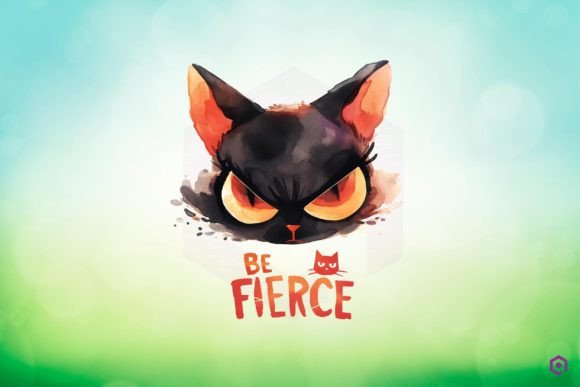
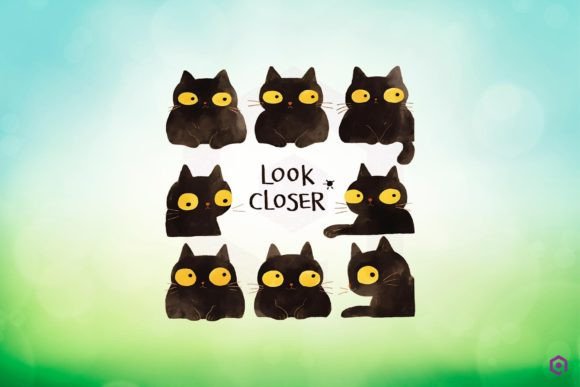
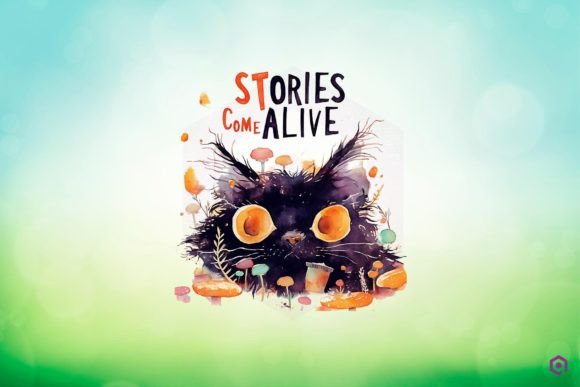
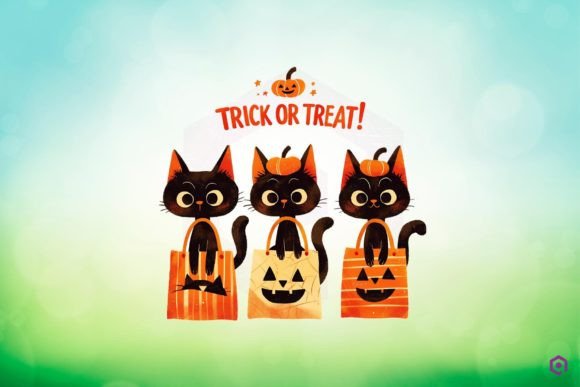
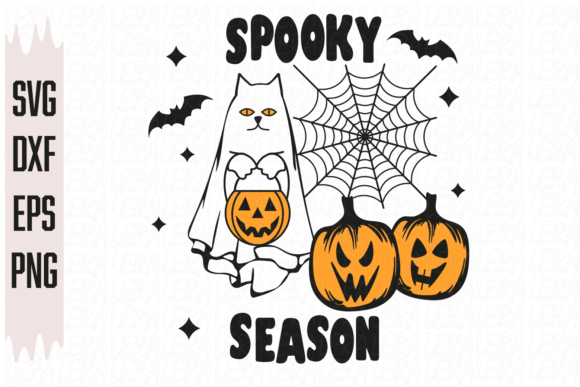
When I first opened the folder for Ghost, Ghost Cat, Halloween, I wasn't looking at a simple illustration; I was evaluating a potential bestseller for my boutique shop. As a designer who spends more time in the hoop than behind a computer screen, my first impression is less about the digital file and more about how it translates to thread. This design captures that specific, whimsical mood of early October—spooky but not scary, cute enough for a nursery yet festive for a party. It feels like a character waiting to be brought to life on fabric.
The visual personality of this piece is distinct. Unlike many generic Halloween motifs that rely on heavy blacks and jagged edges, this cat ghost design suggests a softer approach. The layout is clean, which immediately signals to me that it will stitch well without becoming a tangled mess of threads. For an embroidery designer, the initial assessment comes down to one question: does this design have the structural integrity to survive a wash? From what I can see in the preview files, the shapes are defined with clear lines, suggesting that the satin stitches and fill areas will hold their form beautifully on both soft apparel and structured bags.
Real-World Application: The Custom Tote Bag Project
Let's talk about where this design actually shines. I recently had a client request a custom line of tote bags for a local Halloween market. They wanted something unique that wouldn't look like every other vendor's product. I pulled up Ghost, Ghost Cat, Halloween as a candidate for a large chest placement or a centered front design. Imagine stitching this onto a sturdy canvas tote in a deep midnight blue. The contrast would be striking, turning a simple bag into a statement piece.
The versatility here is key. While the product description notes these are cliparts perfect for invitations, I am thinking beyond paper. This design works exceptionally well for custom apparel like sweatshirts, where a slightly larger scale allows the details to breathe. However, I also see it thriving on smaller items. A single embroidered patch featuring this cat ghost could be a fantastic add-on for denim jackets or beanies. For the Etsy seller or small business owner, this design offers a high return on investment because it fits so many categories: baby onesies, aprons, kitchen towels, and even pillow covers. It bridges the gap between a holiday novelty and a year-round decorative item that customers might keep long after November 1st passes.
Stitching Clarity and Visual Appeal
In the world of machine embroidery design, clarity is king. If the design is too dense, it becomes stiff; if it is too sparse, it looks unfinished. My analysis of Ghost, Ghost Cat, Halloween suggests a balanced approach. The curves of the ghostly figure likely utilize smooth satin stitches, which give a glossy, professional finish that catches the light. The tail and any facial features probably rely on running stitches or fine fill stitches, adding texture without overwhelming the viewer.
When you present a finished product to a customer, they are buying the quality of the craftsmanship just as much as the image itself. A crisp, well-stitched cat ghost builds trust. It tells the buyer that you care about the details. On a dark fabric background, the white or light-colored threads of the ghost will pop, creating a magical, glowing effect. Conversely, on a light fabric, using darker thread colors could create a silhouette effect that is equally charming. The ability to adapt thread colors makes this design asset incredibly flexible for different brand aesthetics.
Navigating Challenges: Where to Be Careful
While I am optimistic about this design, no project is without its pitfalls. As an experienced reviewer, I must point out where Ghost, Ghost Cat, Halloween requires extra attention. If you plan to use this on a curved surface like a baseball cap, the distortion of the fabric can sometimes warp the delicate lines of a ghostly shape. You will need to test the stability of the stabilizer heavily to prevent puckering.
Another area to watch is the hoop size. If your machine has a limited hoop capacity, ensure that the design dimensions fit comfortably within the frame without cutting off the ears or the tail. Small details are often the first to get lost when the design is scaled down too much. If you attempt to shrink this for a tiny baby bib or a miniature patch, you risk losing the definition that makes the cat recognizable. Always check the hoop size requirements before finalizing your production run.
Fabric choice is also critical. Stretchy knits, like those found in t-shirts or leggings, require a strong cutaway stabilizer to maintain the shape of the embroidery. Without proper support, the fill stitch density of the ghost's body might cause the fabric to pucker over time. Similarly, textured fabrics like fleece or heavy wool can hide the finer details of the design. In these cases, a smoother backing fabric or a carefully chosen stabilizer combination is essential to ensure the embroidery file performs as intended.
Practical Notes for the Designer
Before you commit to a full production batch, there are non-negotiable steps you must take. First and foremost, always test the design on scrap fabric. This is the only way to verify how the stitch density interacts with your specific thread type and fabric weight. I recommend creating a mockup in black and white to ensure the contrast remains high regardless of the color palette you choose later.
If you are selling finished goods, you must confirm the licensing terms included with the zip archive. The product description mentions SVG, DXF, EPS, and PNG formats, which are standard for digital embroidery file usage, but the rights to sell physical items made from these designs vary by creator. Ensure you have commercial rights before listing these items on Etsy or at craft fairs. Additionally, inspect the small details in the original file. Sometimes, tiny specks of stray pixels or unnecessary nodes can cause needle breaks during the stitching process. Cleaning up the vector data in software like Illustrator or Inkscape before importing it into your embroidery machine software can save hours of frustration.
Finally, consider the end-user experience. A handmade product should feel durable. Check that the back of the embroidery is neat and that the stabilizer has been removed cleanly. A sloppy back reflects poorly on the entire brand, regardless of how cute the Ghost, Ghost Cat, Halloween design looks on the front. By paying attention to these technical details, you elevate a simple graphic into a premium finished product.
This design has the potential to be a staple in your catalog. It hits the right emotional note for the season while offering the practical flexibility needed for a diverse range of projects. Whether you are making a personalized gift for a neighbor or stocking a boutique with seasonal decor, Ghost, Ghost Cat, Halloween provides a solid foundation for creativity. Just remember: good design starts with careful planning and ends with precise execution.