Evil Cat Cartoon Clip Art Design - 4: A Real Designer's Review
I have spent years stitching everything from delicate heirloom pieces to rugged workwear, and I know that the difference between a "cute" digital file and a successful finished product often comes down to practical judgment. When Evil Cat Cartoon Clip Art Design - 4 landed on my desk, I didn't just look at the preview image; I immediately started thinking about how it would translate into thread. As an experienced designer who reviews assets for real-world application, I wanted to see if this piece could stand up to the rigors of machine embroidery or if it was better suited as a simple print template.
The First Impression: Mood and Visual Personality
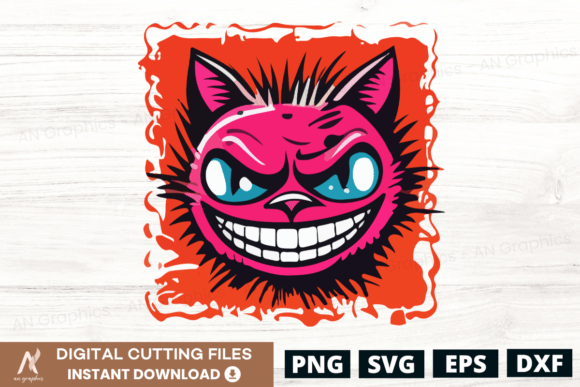
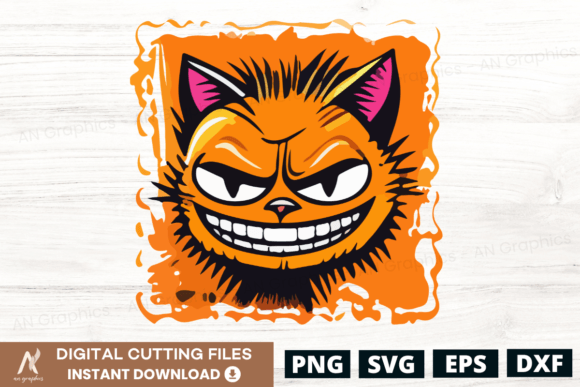
At first glance, Evil Cat Cartoon Clip Art Design - 4 strikes a distinct chord. It isn't trying to be the sweetest kitten in the world; instead, it carries a mischievous, slightly rebellious energy that is perfect for modern branding and statement pieces. The cartoon style suggests a high level of character, which is exactly what you want when creating custom apparel or handmade products that need to grab attention instantly.
The layout feels balanced, with clear shapes that suggest it will stitch cleanly. There is a sense of playful menace in the design that resonates well with today's trend toward quirky, personality-driven decor. Whether you are an Etsy seller looking to expand your shop inventory or a hobbyist making a unique gift, this design offers a visual hook that standard floral patterns simply cannot match. It feels like a design meant to spark conversation, whether it ends up on a tote bag or a baby onesie.
Real-World Application: Where This Design Shines
In my experience, the true test of any embroidery file is seeing how it performs on actual garments. I ran some mental simulations for Evil Cat Cartoon Clip Art Design - 4 across various scenarios. Imagine a small boutique owner creating a line of aprons for a local coffee shop. The bold lines of this evil cat would pop beautifully against a dark denim or charcoal canvas, adding a touch of humor to the uniform without overwhelming the wearer.
This design also has immense potential for holiday embroidery. Think of a custom sweatshirt featuring this character paired with festive text for a family reunion or a holiday party. The cartoon nature makes it highly recognizable and appealing to children, making it an excellent choice for baby embroidery projects like booties or nursery wall hangings. For those running a craft business, the versatility here is key. You could easily adapt this asset for embroidered patches intended for jackets or backpacks, leveraging the strong outlines to create a durable edge finish.
Furthermore, as a digital product seller, having access to Print Templates and Graphics like this allows you to create mockups before you even cut the fabric. Showing a client a digital preview of their personalized gift can significantly boost buyer engagement and trust. If the design translates well in a mockup, it usually translates well in the hoop, provided the technical setup is correct.
Technical Considerations and Potential Pitfalls
While the concept is strong, every machine embroidery design has its limitations. I must advise caution when considering small hoop sizes. If the original vector details are intricate, shrinking them down too much might result in lost definition during the stitching process. Dense areas of fill stitch can sometimes cause puckering if not supported correctly, so testing is non-negotiable.
Fabric choice is another critical factor. Textured fabrics, such as heavy waffle knits or nubby wool, can hide the fine details of the cat's expression. Similarly, thin or stretchy fabrics require careful stabilizer selection to prevent distortion. If you plan to use this on a curved surface like a cap, you will need to evaluate the curvature of the design elements to ensure they don't look distorted after being stitched onto the dome shape.
There are also specific situations where this design should be used carefully. For instance, on dark fabric, you will need to ensure there is enough underlay and topstitch density to cover the base material completely. If the design includes tiny lettering or very fine decorative accents, these might get lost in the thread texture, especially if using lower quality threads. Additionally, if the final product is expected to undergo frequent washing, the durability of the stitches becomes paramount. Always check the stitch density to ensure the design won't unravel over time.
Practical Designer Notes for Success
Before you commit this design to a commercial run or a precious customer order, follow these essential steps. First and foremost, test the design on scrap fabric that matches your final project material. This allows you to catch issues with thread tension or stabilizer placement early. Check your thread color contrast carefully; a black cat on a black shirt requires a different approach than one on white.
Review the stitch density in your software. If the file uses too many stitches in a small area, the fabric may pucker. Confirm the hoop size required and ensure your machine can accommodate it comfortably. Inspect the small details closely; sometimes, what looks good on a screen becomes muddy when stitched. I also recommend testing the design in black and white mockups to see if the value structure holds up without relying on color.
If you are planning to sell finished items, confirm the licensing terms explicitly. Does the purchase allow for commercial embroidery? Can you sell the physical goods, or is it limited to personal use? Since the product description mentions a ZIP file containing SVG and PNG formats, verify which format is best for your specific workflow. While SVG is great for cutting machines, you will likely need to convert or digitize it for machine embroidery unless the file includes a native embroidery format like PES or DST.
Final Verdict on Value and Appeal
Evil Cat Cartoon Clip Art Design - 4 brings a fresh, edgy vibe to the table that stands out in a sea of generic designs. For creative entrepreneurs and makers, it offers a solid foundation for building a brand identity that feels authentic and fun. The visual appeal is high, and when executed with proper technique, it can elevate the perceived value of your finished product.
However, success depends on your preparation. By respecting the technical constraints of fabric texture and stabilizer needs, you can avoid common pitfalls. Whether you are creating a single personalized gift or a batch of small shop products for a craft fair, this design has the potential to be a standout piece. Just remember to do your homework, test thoroughly, and let the unique personality of the cat shine through in your stitching.